Start Your Next AI Shot From a Frame You Already Have
Capture an approved frame, use it as the next shot’s starting image, and let prop references complete the surrounding environment.
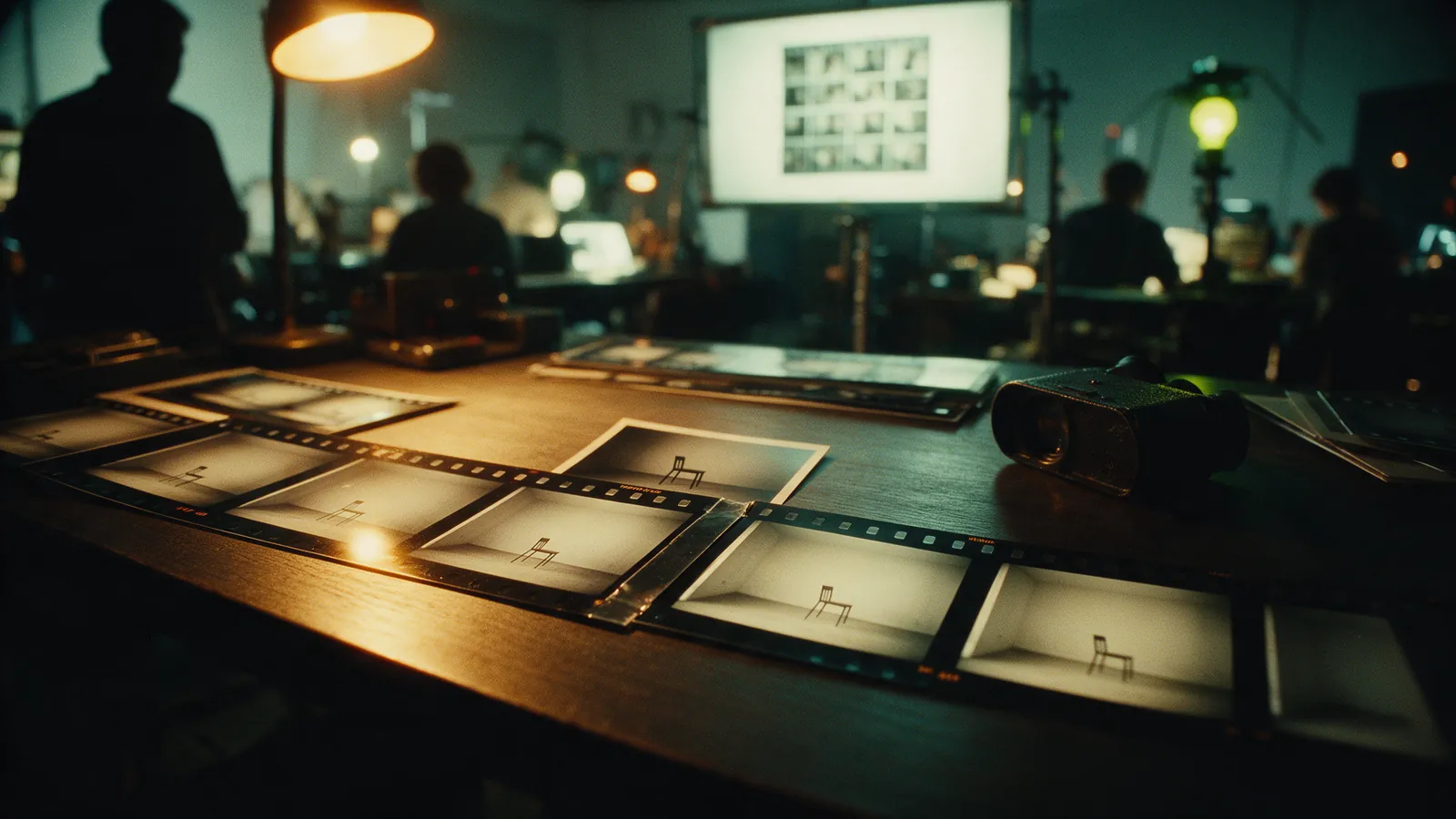
The shot worked, but its viewpoint was impossible to continue naturally in the next shot.
That is a frustrating kind of approval. The image is good enough to keep, yet it appears to leave the sequence nowhere to go.
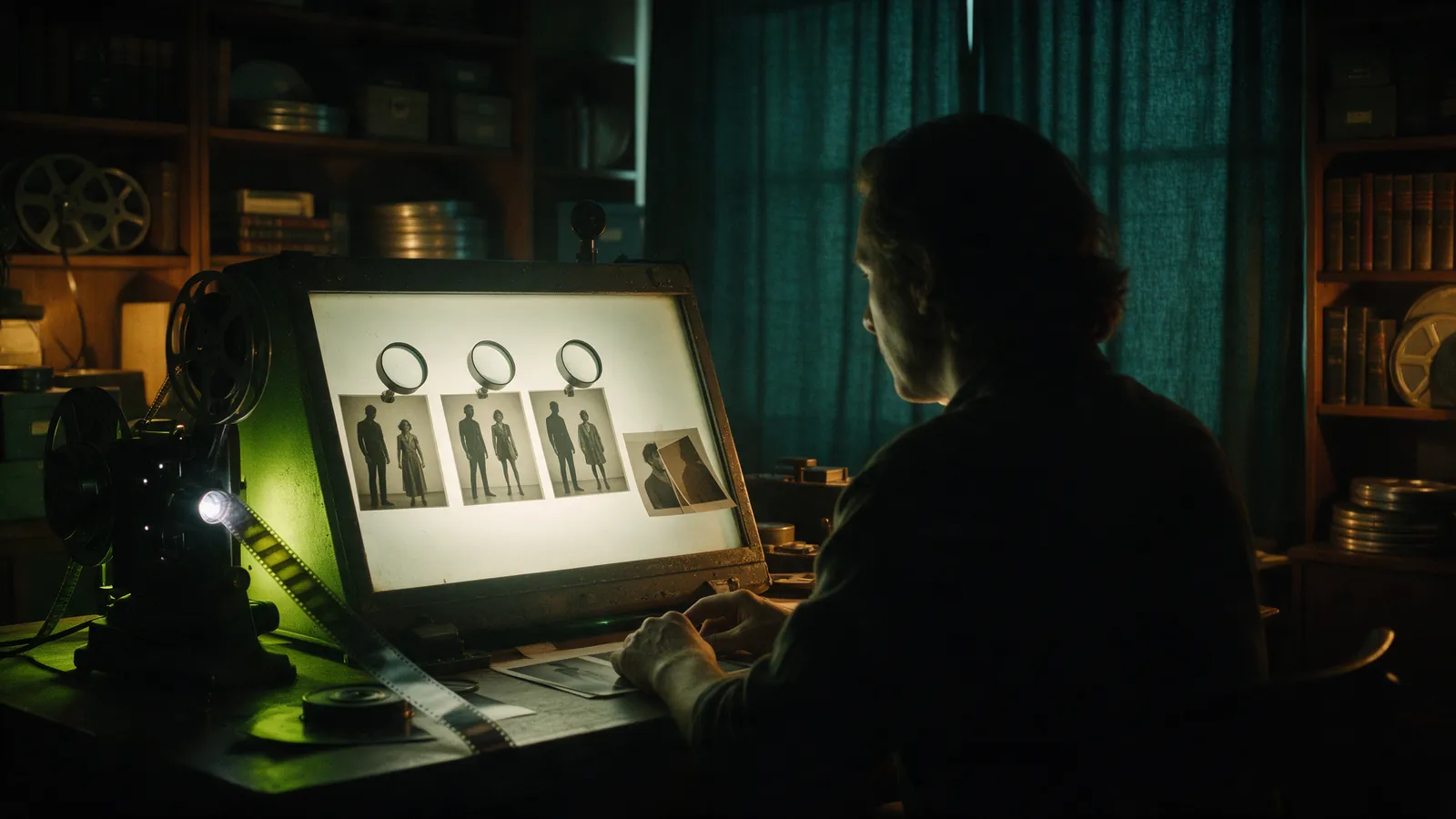
I do not discard the successful shot. I capture one of its frames and use that image as the initial frame of the next generation.
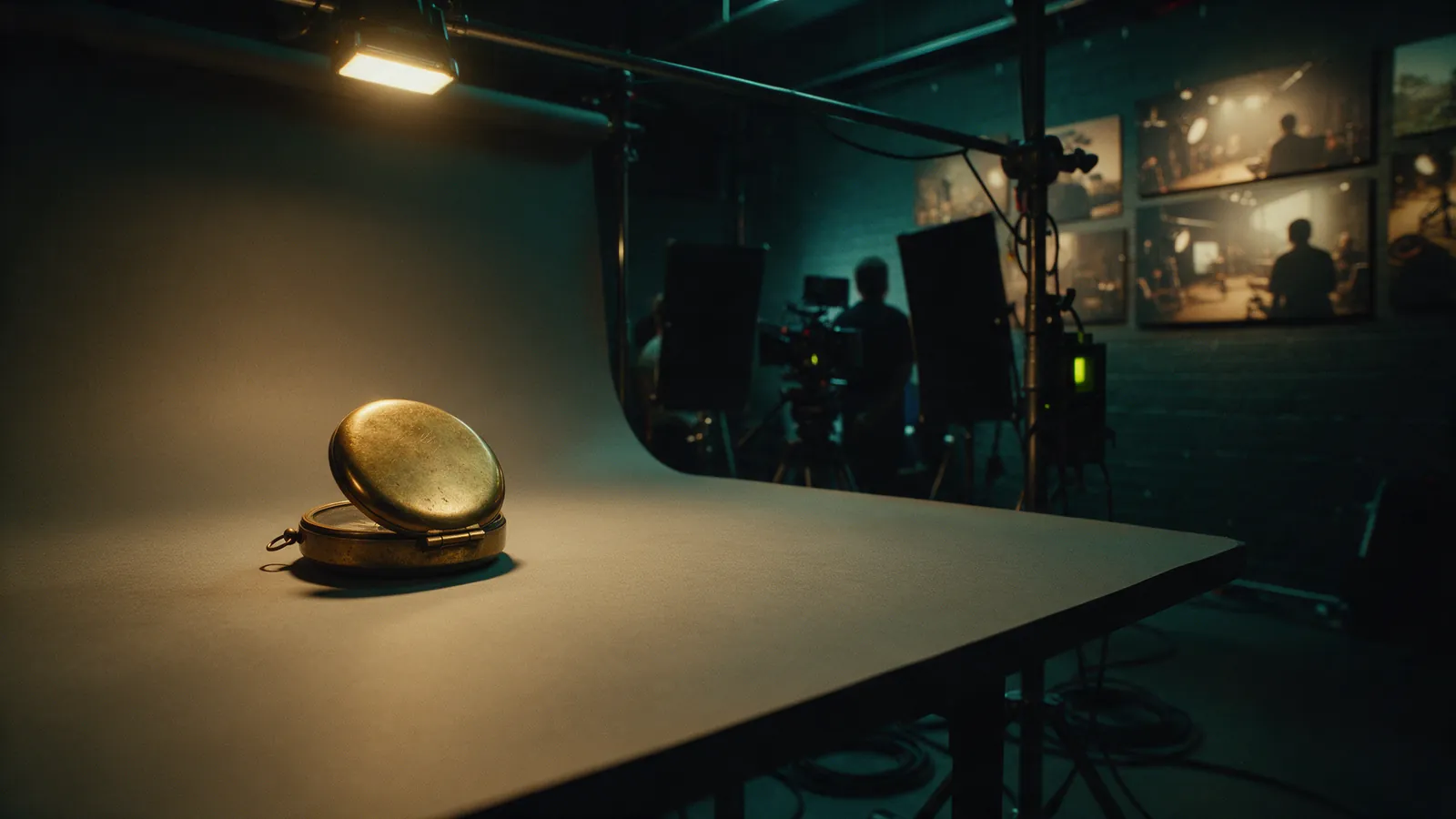
The prop sheet supplies the rest of the environment.
This gives the next shot a visible place to begin instead of asking it to rediscover the connection from text alone.
Preserve the approved shot
The first decision is whether the existing shot is approved.
This technique begins with a shot that worked. Its problem is not that the image failed. Its problem is that the point of view is difficult to continue naturally.
That distinction matters.
If I treat the shot itself as the failure, I may regenerate material that was already successful. The continuity problem belongs to the transition into the next shot.
So I keep the approved shot and work from it.
Done right, I have a specific accepted image to carry forward. I am not trying to recreate the shot from memory or from a description.
Capture the frame that must continue
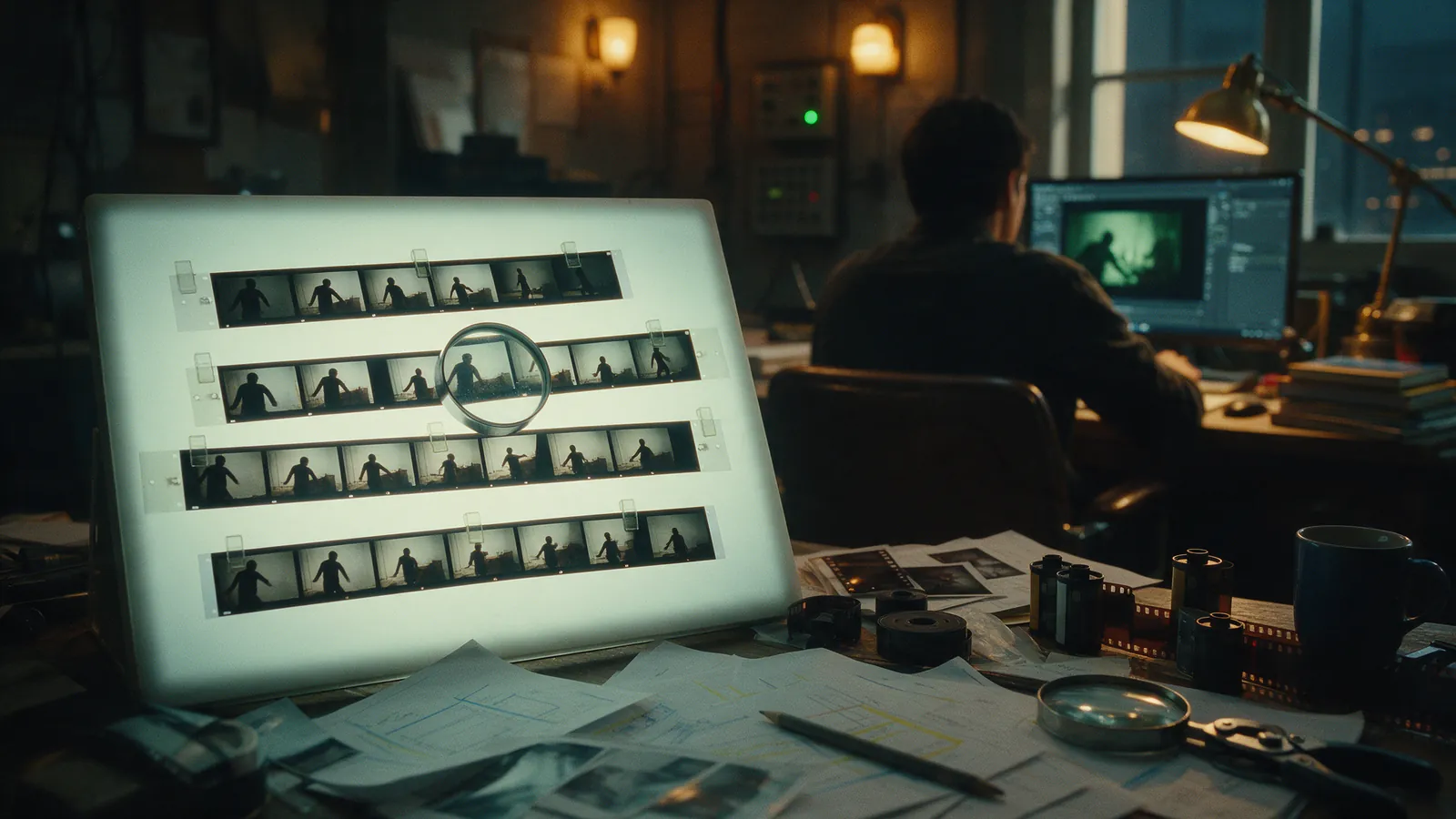
The next step is to capture a frame from the approved shot.
That captured image becomes the initial frame for the next shot.
I do not treat it as a loose visual reference. I give the frame a precise role: the starting image of the following generation.
That role provides continuity at the boundary between shots. The next output begins from visual material that already exists in the approved sequence.
I select the frame because it represents the viewpoint that needs to continue. The frame is not replacing the entire environment reference. It is establishing the visible starting state.
Done right, the new generation is not inventing its first image independently. It starts from the captured frame.
Use the frame as the initial image
This is where the method can be weakened by vague handling.
The captured frame should be used as the initial frame of the next shot.
It is not merely included among several references without a defined purpose. It is the actual starting image.
The difference is practical. A general reference asks the generation to take information from an image. An initial frame tells it where the shot begins.
The method is intended for transitions that would otherwise fail to fit together. That requires a strong connection at the start of the new shot.
Done right, the first visible state of the next generation comes directly from the approved frame.
If the new shot begins from an unrelated composition, the captured frame has not served the function described by the technique.
Let the prop sheet complete the environment
A captured frame may not contain all the surrounding environment needed by the next viewpoint.
That is where the prop sheet enters.
I use the prop sheet to fill in the rest of the environment. The captured frame preserves the immediate visual handoff. The prop references provide the environmental information that falls beyond it.
I keep those responsibilities clear.
The initial frame says, “Start here.”
The prop sheet says, “This is the environment that continues beyond what this frame shows.”
Neither has to do the other’s job.
Done right, the next shot starts from the approved image and develops within the environment established through the prop references.
Do not ask one image to carry everything
The captured frame is powerful because it gives the next shot a concrete beginning. It is still only one viewpoint.
The prop sheet exists because the next shot may need environmental information the captured image does not show.
If I expect the starting frame to define every unseen part of the location, I am asking it to provide information it may not contain. If I provide only props without the captured frame, I lose the direct visual start that makes the transition fit.
The technique combines them.
The frame handles the transition.
The prop sheet handles the rest of the environment.
This division is one reason the method can rescue a viewpoint that seemed impossible to continue naturally. It does not force the next shot to infer both the handoff and the surrounding scene from the same limited input.
Judge the viewpoint, not just the image quality
The next shot still has to be reviewed.
The acceptance question is whether the viewpoint continues naturally from the captured frame.
A generated shot may contain an attractive environment and still fail that test. The technique was not used merely to produce another good image. It was used to connect a specific approved shot to what follows.
I begin the review at the boundary.
Does the next shot visibly start from the captured frame?
Does the environmental continuation draw from the prop sheet?
Does the new viewpoint feel like a continuation of the approved material rather than an unrelated rediscovery of the scene?
I am solving a viewpoint that cannot otherwise be continued naturally. The successful output is therefore one that solves that continuity problem.
If it does not, I do not excuse the break because the later frames look strong on their own.
Favor defined start and end frames
This technique matches my preference for working with start and end frames instead of using image-to-video blindly.
A defined starting frame gives the shot an approved visual origin. A defined end frame can give it another controlled point.
I connect this method to start-and-end-frame work because both approaches reduce the amount of visual continuity left unspecified.
For this transition, the captured frame is the key starting control. It comes from a shot that has already been accepted.
Done right, the next generation is not beginning from a general description of what the previous shot looked like. It is beginning from the previous visual material itself.
The procedure in order
I keep the process short.
First, approve the existing shot on its own terms.
Second, identify the frame that represents the viewpoint the next shot must continue.
Third, capture that frame.
Fourth, use the captured image as the initial frame of the next generation.
Fifth, provide the prop sheet so the generation can fill in the rest of the environment.
Sixth, review whether the resulting viewpoint continues naturally.
Each step has one job. The approval protects the successful shot. The capture preserves its visible state. The initial-frame setting establishes the new beginning. The prop sheet supports the surrounding environment. The final review checks the transition.
What this costs
I have no monetary price, clip count, or duration to report.
The method requires a captured frame, the next generation, and an existing prop sheet for the surrounding environment. It does not support a claim about a specific financial cost.
The useful production decision is whether to replace the approved shot or continue from it. This technique preserves the shot and puts the corrective work into the transition.
That keeps the problem accurately located. The accepted shot remains accepted. The next shot carries the responsibility for continuing it.
When the method is done
I consider the transition complete when the new shot starts from the captured approved frame and the rest of the environment is supplied through the prop references.
The camera is allowed to continue. The viewpoint is not allowed to feel detached from the image that came before it.
The method does not promise that every shot can be repaired with prose. It gives the next generation the exact visual material it must continue.
Today, capture one frame from an approved shot that has been difficult to follow and use that frame as the next shot’s starting image.
A method is what still works on the morning inspiration doesn't show up.