Resources/Ebook
The AI Film Director's Method: Preparation, Prompts and the Anatomy of a Shot
How I prepare visual references, direct movement and judge what a generated shot actually delivers.
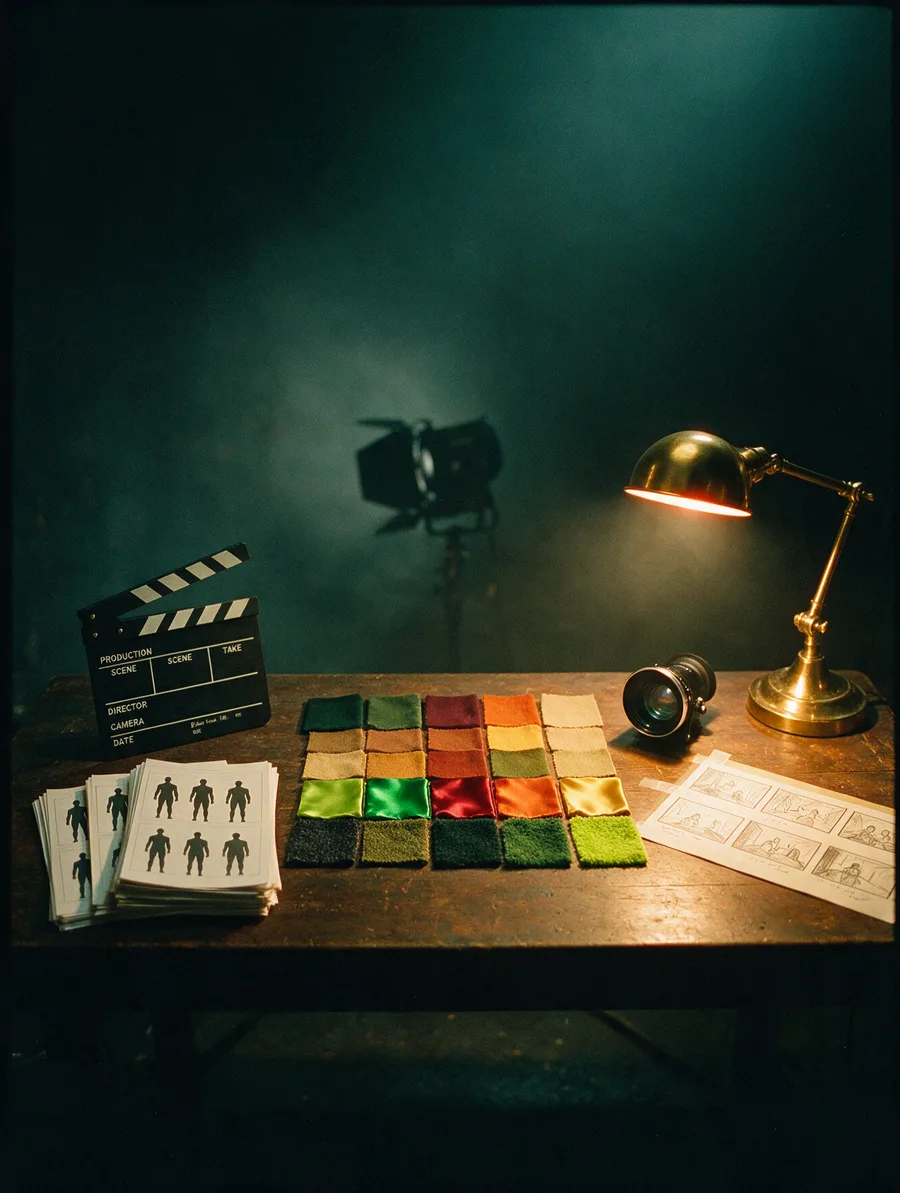
A film begins to hold together when its decisions can survive beyond the image in which they first appeared. A face needs to remain recognizable from another angle, a room needs to retain its geography, and an action needs enough time for its consequence to register. These are the questions I return to when I direct with artificial intelligence, because a convincing image still leaves the next shot to be made.
I have written this book for filmmakers and visual creators who can already imagine a scene but need a more deliberate way to carry it through production. Perhaps you have a strong portrait and an incomplete character, a successful shot that seems impossible to continue, or several attractive clips that refuse to become a sequence. In each case, the useful next step begins with identifying the decision that remains unresolved.
My method gives that decision a place. I separate identity from wardrobe and narrative state, distinguish an object's reference from its appearance in a scene, and establish space before changing the camera position. Preparation becomes a set of visual commitments against which I can judge later material, while existing approved work remains available for the information it already provides.
From there, I move into the construction of a shot. The opening frame, bodily action, camera movement, light and sound each need clear responsibilities, and the references have to support those responsibilities without introducing competing instructions. A compact motion request and a detailed scene document serve different purposes; the question is how much information the particular generation still needs.
The close readings that follow examine how those choices appear inside actual working prompts. I look at timed exchanges, physical mechanics, continuous camera moves and revisions made under a character limit. These analyses describe intended direction and documented changes to the writing; a checked instruction does not establish that a generated take obeyed it. Where a test produced a measured result or a rejected output, I keep that evidence attached to the specific test.
The final stages widen the review from the shot to the piece. Model choice, pilot generations and reference adaptation lead into dialogue, color matching, cuts, subtitles and delivery. Sound deserves the same attention as the image, and an export deserves inspection beyond the fact that it exists.
You can read in order to follow this progression from preparation to finished material, or begin with the problem that is holding up your own production. Either route should bring you back to the same discipline: decide what the shot must do, provide the information it needs, and judge the result against that intention.
Keep going
How I Write Seedance Prompts: The Borrowed Wounds Rulebook
A practical structure for turning a shot into visible, timed instructions.
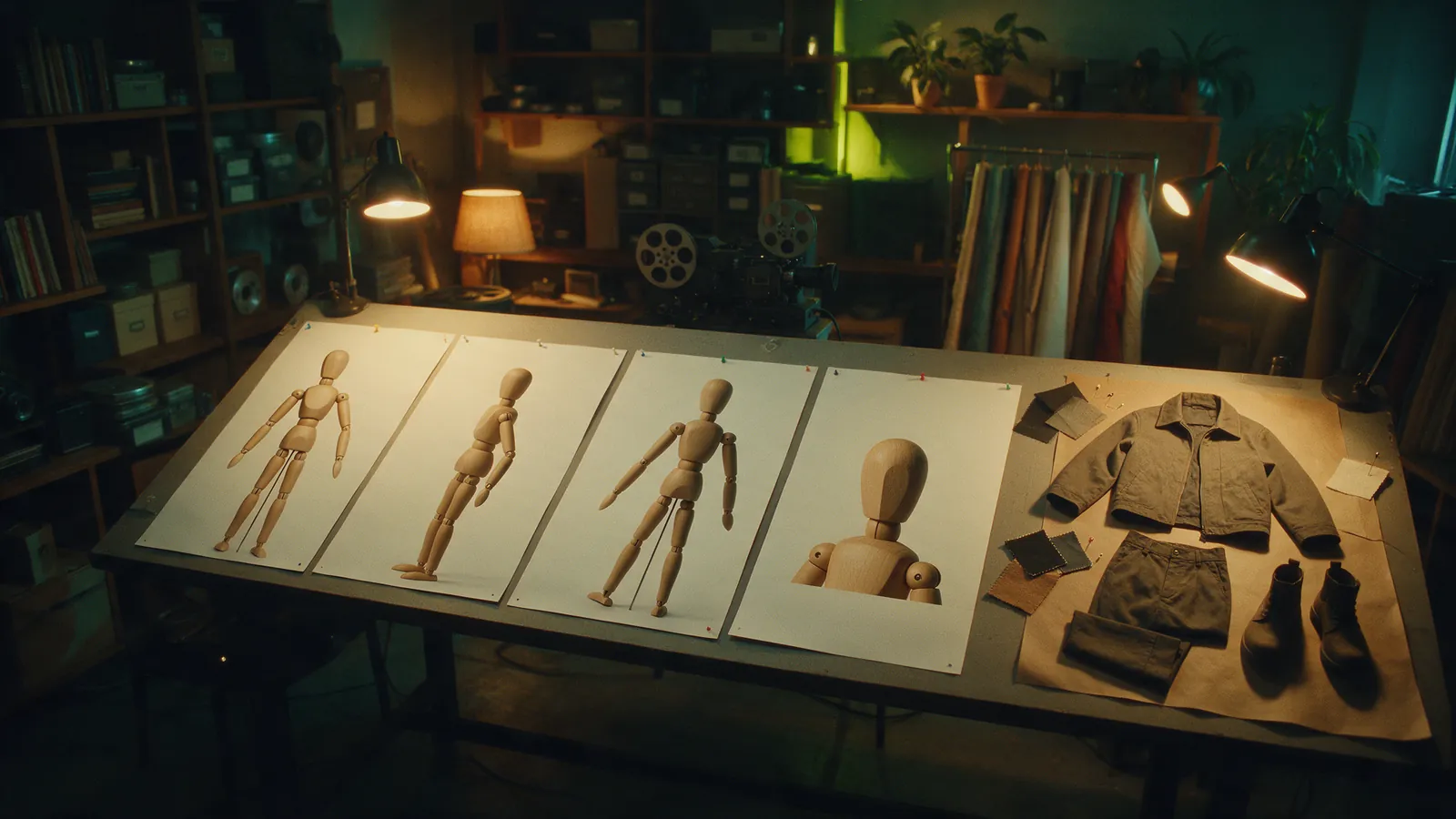
The Four-Panel AI Character Sheet (plus Wardrobe Flat Lay)
My working format for fixing a character's identity and carrying the same clothes into a separate costume sheet.
Before You Hit Generate: 20-Point Pre-Flight Checklist for AI Video Prompts
The checks I use to catch avoidable problems while the shot is still a piece of writing.